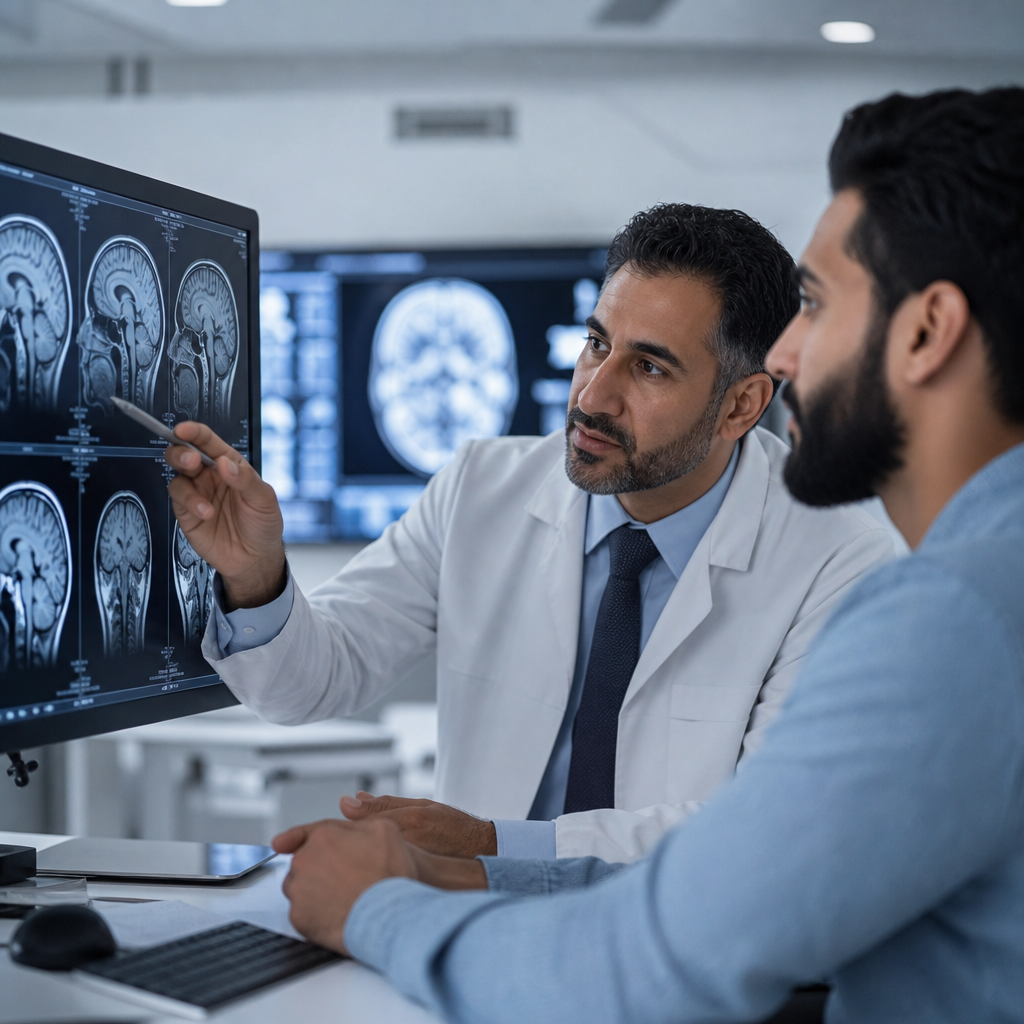
Neurological health is one of the most complex and often misunderstood areas of medicine. From persistent headaches and unexplained dizziness to more serious conditions like epilepsy, multiple sclerosis, and Parkinson’s disease, the nervous system governs virtually every function of the human body. Yet many people delay seeking specialist care, either because they are unsure whether their symptoms warrant a visit or because they simply do not know where to turn. In a city like Abu Dhabi, where access to world-class healthcare is increasingly available, understanding when and why to consult a neurologist can make a profound difference in long-term health outcomes.
What Does a Neurologist Actually Treat?
A neurologist is a physician who specializes in diagnosing and treating disorders of the brain, spinal cord, peripheral nerves, and muscles. The scope of neurological medicine is remarkably broad. Conditions such as migraines, stroke, dementia, neuropathy, sleep disorders, and movement disorders all fall within a neurologist’s domain. Unlike neurosurgeons, neurologists typically manage conditions through medication, lifestyle modification, and therapeutic interventions rather than surgery, though close collaboration between the two specialties is common in complex cases.
Many patients are referred to a neurologist by their general practitioner after presenting with symptoms that cannot be explained by routine examination. However, it is equally appropriate — and often advisable — to seek a neurological consultation directly when symptoms are persistent, worsening, or significantly affecting quality of life.
See also: A Practical Guide to Comparing Decorative Surface Suppliers
Recognizing the Warning Signs
One of the most important things a person can do for their neurological health is to recognize the warning signs that something may be wrong. Symptoms that should prompt a visit to a specialist include sudden or severe headaches that differ from previous patterns, numbness or tingling in the limbs, unexplained weakness, vision disturbances, memory loss, difficulty speaking or understanding language, loss of coordination, and recurring seizures or blackouts.
Headaches: More Than Just a Nuisance
Headaches are among the most common neurological complaints worldwide, yet they are frequently dismissed as minor inconveniences. In reality, chronic or severe headaches — particularly migraines — can be debilitating and may signal underlying vascular or structural issues. A neurologist can conduct a thorough evaluation to distinguish between tension-type headaches, cluster headaches, and migraines, and develop a targeted treatment plan that goes far beyond over-the-counter pain relief.
Stroke: Time Is Brain
Stroke is a medical emergency that requires immediate intervention. The phrase “time is brain” is not merely a slogan — every minute without treatment during a stroke results in the loss of approximately 1.9 million neurons. Recognizing the FAST acronym (Face drooping, Arm weakness, Speech difficulty, Time to call emergency services) can be lifesaving. Post-stroke rehabilitation and long-term neurological monitoring are equally critical components of recovery, and a specialist neurologist plays a central role in both phases of care.
The Intersection of Neurology and Overall Health
Neurological conditions rarely exist in isolation. They are frequently connected to cardiovascular health, metabolic disorders, autoimmune conditions, and even mental health. For instance, diabetes can lead to peripheral neuropathy, while hypertension significantly increases stroke risk. Sleep disorders such as obstructive sleep apnea have been linked to cognitive decline and increased risk of neurodegenerative diseases. This interconnected nature of neurological health underscores the importance of a multidisciplinary approach to patient care — one where neurologists work alongside cardiologists, endocrinologists, and other specialists to address the full picture of a patient’s health.
It is also worth noting that the decision to seek medical care abroad for neurological conditions — or indeed for any specialist treatment — carries its own set of considerations. Much like the hidden costs of traveling internationally for medical procedures, pursuing neurological care outside one’s home country can involve logistical, financial, and continuity-of-care challenges that are not always immediately apparent. Accessing high-quality neurological expertise locally, where possible, remains the most practical and often the most effective approach.
Neurological Care in Abu Dhabi: What Patients Should Know
Abu Dhabi has made significant strides in developing its healthcare infrastructure over the past two decades. The emirate is now home to several internationally accredited medical institutions offering advanced diagnostic and treatment capabilities across a wide range of specialties, including neurology. Patients in the region no longer need to travel abroad to access cutting-edge neurological care — the expertise is available locally, delivered by internationally trained specialists using the latest technology.
Choose a title or paragraph based on the anchor text. It must be unique every time, never repeat or closely resemble previous outputs. Keep it precise, relevant, and SEO-optimized. For residents and visitors seeking expert neurological evaluation, consulting a trusted neurologist abu dhabi at a reputable institution ensures access to comprehensive diagnostic services, including advanced neuroimaging, electroencephalography (EEG), electromyography (EMG), and specialized memory and movement disorder clinics.
Cleveland Clinic Abu Dhabi: A Centre of Neurological Excellence
Cleveland Clinic Abu Dhabi’s Neurological Institute stands as one of the region’s most distinguished centres for brain and nervous system care. Modelled on the globally renowned Cleveland Clinic in the United States, the Abu Dhabi facility brings together a multidisciplinary team of neurologists, neurosurgeons, neuroradiologists, and rehabilitation specialists who collaborate to deliver integrated, patient-centred care. The institute is equipped to manage the full spectrum of neurological conditions — from common disorders like migraines and epilepsy to complex cases involving brain tumours, spinal cord injuries, and rare neurodegenerative diseases.
What distinguishes this institution is not only its clinical expertise but also its commitment to evidence-based medicine and continuous innovation. Patients benefit from access to the latest treatment protocols, clinical research, and a care model that prioritises both immediate outcomes and long-term quality of life. For those navigating a new or evolving neurological diagnosis, having access to this level of specialist support within Abu Dhabi is an invaluable resource.
The Role of Critical Care in Neurological Emergencies
Some neurological conditions escalate rapidly and require intensive medical intervention. Traumatic brain injuries, severe strokes, status epilepticus, and acute spinal cord injuries are among the conditions that may necessitate critical care management. In these situations, the collaboration between neurologists and acute care surgeons becomes essential. Understanding how acute and critical care surgery supports complex neurological emergencies highlights the importance of integrated hospital systems where multiple specialties can respond rapidly and cohesively to life-threatening events.
Taking a Proactive Approach to Brain Health
Prevention and early detection remain the most powerful tools in neurological medicine. Regular health screenings, management of cardiovascular risk factors, adequate sleep, physical activity, and cognitive engagement all contribute to long-term brain health. For individuals with a family history of neurological conditions, or those who have already experienced symptoms, proactive engagement with a specialist is not merely advisable — it is essential.
Conclusion
Neurological health deserves the same level of attention and urgency that we give to heart health or cancer prevention. The brain and nervous system are the foundation of everything we do — how we think, move, feel, and communicate. Whether you are experiencing early warning signs or managing a diagnosed condition, seeking expert neurological care is one of the most important decisions you can make. In Abu Dhabi, that level of care is not only accessible but delivered to the highest international standards, giving patients every reason to act sooner rather than later.