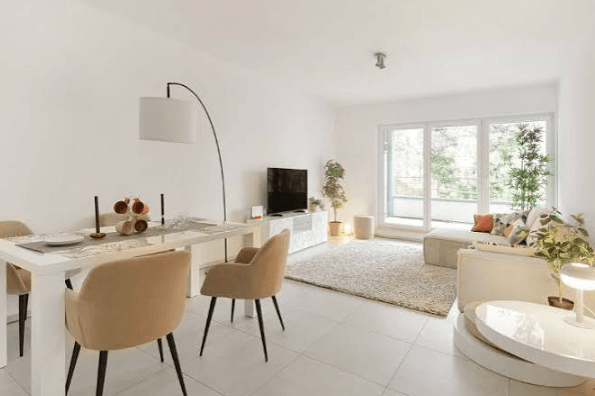
The serviced apartment category has genuinely evolved considerably from its earlier positioning as simply an alternative to extended hotel stays, now offering distinctive living experiences that increasingly appeal to a broader range of residents beyond purely business travelers.
Why This Category Has Broadened Beyond Its Traditional Business Traveler Focus
While business travelers requiring extended stays remain an important market segment, this accommodation category has genuinely broadened to attract relocating families, digital nomads, and others seeking flexible, fully-equipped living arrangements without traditional long-term lease commitments.
How Technology Integration Has Reshaped the Modern Serviced Apartment Experience
Contemporary serviced apartments increasingly incorporate smart home technology and digital service request platforms, genuinely reshaping the resident experience compared to earlier generations of this accommodation category that relied primarily on traditional in-person service models.
Why Community and Social Elements Have Become More Prominent in Recent Developments
Recognizing that extended-stay residents often value social connection alongside practical convenience, many newer developments within this category have genuinely incorporated community spaces and organized social programming, addressing needs that purely functional earlier models did not prioritize.
For those exploring this evolved accommodation category, this overview of serviced apartment living covers how modern developments have adapted to broader resident needs and preferences.
See also: DIY Kitchen Backsplash Ideas
Frequently Asked Questions
Is this accommodation category still primarily used by business travelers?
While business travelers remain an important segment, the category has genuinely broadened to serve relocating families and other residents seeking flexible extended-stay living arrangements.
How significantly has technology changed the typical serviced apartment experience?
Meaningfully, with many contemporary developments incorporating smart home features and digital service platforms that represent a genuine evolution from earlier, primarily in-person service models.
Do modern serviced apartments typically offer community or social programming?
Many newer developments do incorporate this element, recognizing that extended-stay residents often value social connection alongside the practical convenience this category has traditionally emphasized.
Final Thoughts
The serviced apartment category’s genuine evolution toward broader resident appeal, technology integration, and community programming reflects meaningful adaptation to how extended-stay living needs have changed over time.