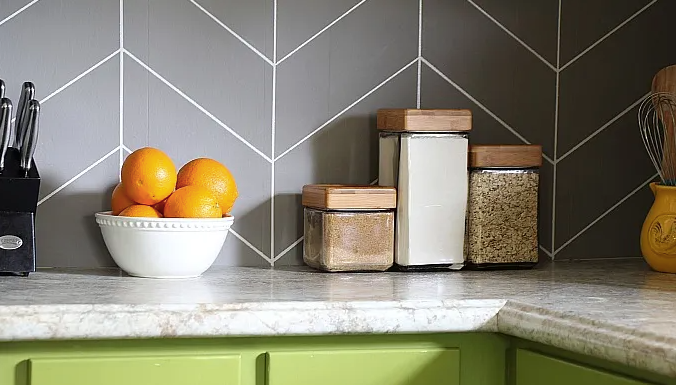
DIY kitchen backsplash ideas balance durability with style, offering practical paths from peel-and-stick options to tempered glass and metal accents. A thoughtful plan matters: precise measurements, surface prep, and moisture-aware sealing set the stage for clean grout lines and cohesive finishes. Color and pattern should echo cabinets and countertops without overwhelming the room. Each choice shapes ease of maintenance and long-term look, inviting careful consideration of texture, budget, and technique before moving forward. The next step reveals potential starting points.
What Makes a Great DIY Backsplash
A great DIY backsplash combines durability, aesthetics, and ease of installation. A well-conceived backsplash prioritizes adaptability, long-term upkeep, and seamless integration with cabinets and countertops. It offers opportunity for customization through patterns, textures, and finishes, while maintaining stain resistance for practical kitchens. Precision cuts, proper moisture sealing, and consistent grout lines define quality, enabling freedom to personalize without sacrificing performance or longevity.
Quick, Budget-Friendly Material Options
Quick, budget-friendly material options for a DIY kitchen backsplash prioritize affordability without sacrificing function. The selection emphasizes quick budget wins and versatile, affordable materials that emulate high-end looks without premium costs. Options include peel-and-stick tiles, tempered glass panels, and durable vinyl options, plus lightweight ceramic or metal sheets. These choices combine ease of installation with lasting appeal, supporting creative freedom and practical cleanliness.
Step-by-Step Installation Guide for Beginners
Beginners can approach a backsplash installation with a clear, methodical plan: preparing the surface, gathering essential tools, and following precise steps to ensure a seamless result.
The guide outlines measuring, cutting, and adhering tiles with clean grout lines.
It acknowledges DIY challenges and emphasizes steady progression.
Budget friendly techniques balance efficiency, accuracy, and material choices, minimizing waste while preserving an elegant, functional outcome.
Finishing Touches and Maintenance Tips
Finishing touches and maintenance tips ensure the backsplash remains functional and visually cohesive over time. The approach emphasizes periodic inspection, gentle cleaning, and timely grout or sealant refreshment. Aesthetic restraint guides decisions on color tweaks, accessory pairing, and cleanliness routines. Maintenance tips emphasize routine checks, while finishing touches celebrate subtle contrasts and texture, preserving durability, ease of care, and cohesive kitchen character.
Frequently Asked Questions
How Long Does a DIY Backsplash Project Typically Take?
Time estimates vary, but a DIY backsplash project typically spans 1 to 3 days, depending on area size and materials. Time estimates hinge on pattern complexity, prep, and grout curing, with simpler patterns finishing faster for the freedom-minded.
Is a Backsplash Worth Hiring a Pro for Complex Patterns?
A pro is advisable for complex DIY backsplash patterns, as precision matters and failures are costly; the pro vs DIY decision hinges on skill, patience, and finish quality, balancing freedom with assurance in DIY backsplash patterns.
Which Tools Are Essential for Beginners Installing Tile?
Essential tools include a tile cutter, spacers, trowel, level, margin float, and grout float; with proper gloves. Tile handling requires care; beginners should practice dry layouts first, aligning edges precisely and maintaining consistent gaps for a clean backsplash.
Can DIY Backsplashes Be Removed Without Damage?
Removal challenges exist, and damage risk is present when removing DIY backsplashes. The process can affect underlying surfaces; professionals often mitigate issues with careful tools, steady technique, and surface protection to preserve walls while avoiding unnecessary harm.
See also: How Technology Improves Productivity
Are Heat-Resistant Materials Necessary for Stove Backsplashes?
Heat resistance is advisable; stove backsplashes should be heat resistant vs non heat resistant. Tile vs glass backsplashes offer different aesthetics and durability. A professional, concise perspective paints options, urging freedom to choose appropriate heat protection while maintaining style.
Conclusion
A well-executed DIY backsplash blends durability, style, and cost efficiency, elevating the kitchen with clean lines and cohesive color. With proper prep, precise measuring, and careful sealing, even beginners can achieve lasting results. An interesting stat: peel-and-stick options can cut installation time by up to 70% compared to traditional tile. By prioritizing grout consistency, moisture protection, and gentle maintenance, the backsplash remains a timeless, low-fuss feature that complements cabinets and countertops for years.